
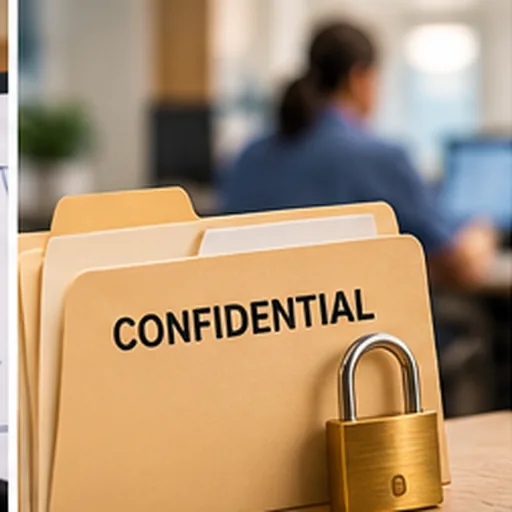
Privacy at the registration desk is rarely about one dramatic breach. More often, the risk comes from ordinary conversations, sign-in sheets, computer screens, waiting rooms, and paperwork that can be seen or overheard by people who do not need the information.
HIPAA applies to spoken information too
The HIPAA Privacy Rule protects individually identifiable health information in electronic, written, and oral form. That means a conversation at the front desk can involve protected health information just as much as a medical record or portal message.
Patient Access staff still need to speak with patients. HIPAA is not designed to make routine registration impossible. HHS guidance recognizes that some incidental disclosures can occur during otherwise permitted conversations when reasonable safeguards are in place.
Keep verbal disclosures appropriately limited
Registration staff should avoid announcing more information than the workflow requires. Calling a patient’s name in a waiting room is generally permissible, but discussing diagnoses, financial details, account balances, or sensitive coverage information where others can easily hear may create unnecessary exposure.
Reasonable safeguards can be simple: lower your voice, avoid repeating sensitive information unnecessarily, move a detailed conversation away from a crowded counter when practical, and follow the organization’s process when a patient requests additional privacy.
Sign-in sheets are allowed when they are limited
HHS specifically says provider offices may use patient sign-in sheets. The key is that the information displayed should be appropriately limited. A sign-in sheet should not ask patients to list a diagnosis, medical problem, or other clinical detail that is not needed simply to indicate arrival.
If the organization uses paper sign-in sheets, staff should follow the approved format rather than adding extra questions for convenience. Electronic check-in systems should also be positioned and configured so one patient is not unnecessarily shown another patient’s information.
Waiting rooms create predictable privacy risks
Open registration areas make some incidental exposure difficult to eliminate completely. HIPAA does not require every front desk to be rebuilt with private rooms or soundproof walls. It requires reasonable safeguards appropriate to the environment.
Examples can include spacing patients back from the counter, using dividers or shields, arranging monitors away from public view, keeping printed documents face down when not in use, and avoiding conversations in elevators, hallways, or other public areas when a more appropriate location is available.
Protect screens and paperwork
A registration screen can display names, dates of birth, addresses, insurance information, balances, and other protected information. Lock or minimize records when stepping away, position monitors to reduce public viewing, and follow organizational rules for privacy screens where used.
Paper deserves the same attention. Do not leave printed schedules, patient labels, copies of identification, or registration forms exposed on counters or printers. Dispose of protected information through the organization’s approved confidential process.
Use the minimum information needed for the task
The HIPAA minimum necessary standard applies to many uses and disclosures, although there are exceptions such as disclosures for treatment. For Patient Access, the practical lesson is not to collect, repeat, or display information simply because the system allows it.
When policy is unclear, follow the organization’s privacy procedures and involve the privacy or compliance team rather than inventing a front-desk rule. Privacy safeguards should support accurate registration without creating unnecessary barriers to care.
Frequently asked questions
Can we call a patient’s name in the waiting room?
Yes, HHS says this can be permissible when the information disclosed is appropriately limited and reasonable safeguards are used.
Can a sign-in sheet ask why the patient is here?
HHS guidance says sign-in sheets should not display medical information that is unnecessary for the sign-in purpose. Use only the organization’s approved fields.
Does HIPAA require private registration rooms?
No. HHS does not require every facility to install private rooms or soundproof walls. Organizations must use reasonable safeguards appropriate to their setting.
Build your Patient Access career
Want the career roadmap behind the work? Explore Breaking Into Patient Access for guidance on entering the field, evaluating openings, preparing for interviews, and building a long-term path. This knowledge-base article focuses on the industry topic and does not reproduce the guide’s career-planning material.
Related Knowledge Base articles
- Effective Communication for Patients With Disabilities Begins Before Check In
- Language Access at Registration Is an Access Requirement
- Patient Matching and Duplicate Records Start at Registration
Sources and further reading
- HHS Use of Patient Sign-In Sheets
- HHS Incidental Uses and Disclosures
- HHS Minimum Necessary Requirement
Information checked October 27 2026. Follow current government guidance, payer requirements, state law, and your employer’s approved workflow.



Leave a Reply